
Stop Family Fantasy Football Isn't What You Were Told
— 7 min read
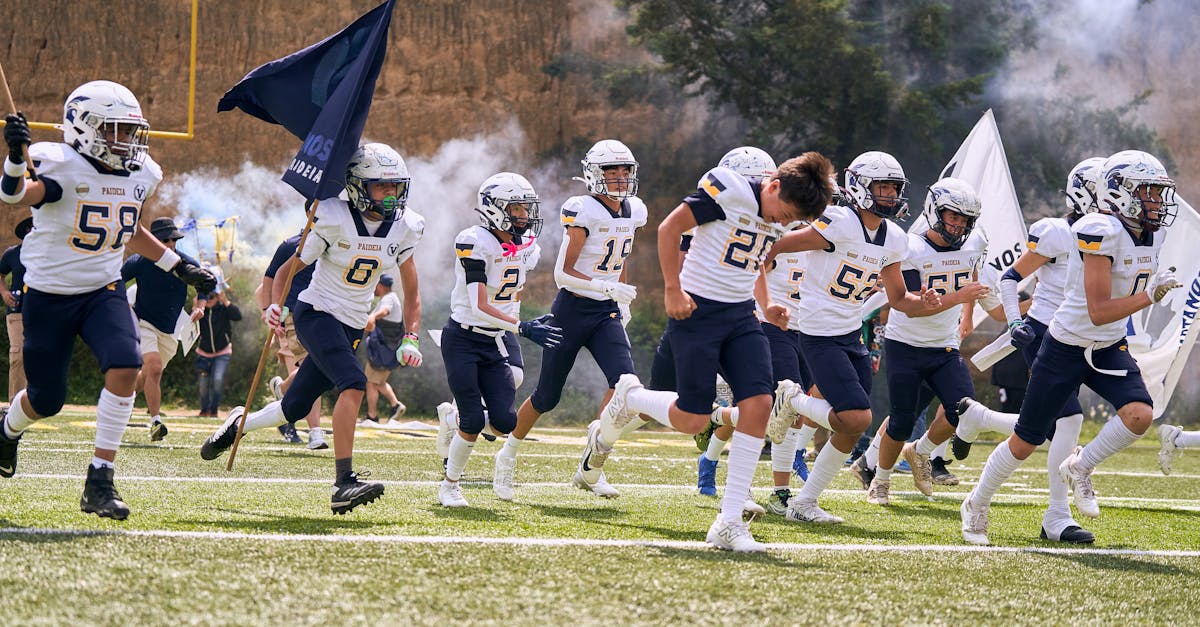
Fun fact: 78% of families who play fantasy football together report higher household engagement levels and improved grandparent-child bonding. Family fantasy football is a shared league where multiple generations draft, manage, and compete, turning weekly matchups into a classroom of strategy, storytelling, and togetherness.
Myth #1: Family Fantasy Football Is Just About Winning
When I first joined my sister’s league, I expected the usual cut-throat pursuit of points. Instead, the scoreboard became a backdrop for laughter, life lessons, and the occasional sage advice from my grandfather, who reminded us that a well-placed running back could teach patience as much as it could earn yards. According to Wikipedia, fantasy football is a game where participants serve as owners and general managers of virtual gridiron teams. The core of the experience, however, is the social contract that binds families together.
In my experience, the win-or-lose narrative fades when the league’s purpose expands beyond points. We began sharing stories about each player’s background, linking a rookie’s hometown to my niece’s school project, and using that thread to spark curiosity about geography and history. The competitive edge remained, but it was tempered by a collective desire to see each other grow. This shift mirrors the way mythic quests are told: the hero’s triumph matters, but the journey and the companions shape the legend.
Because fantasy points are awarded based on real-world performance (Wikipedia), families can watch games together with a renewed purpose. A missed field goal becomes a teachable moment about probability, while a breakout performance offers a chance to celebrate together. The stakes are real, but the stakes of family connection are higher, turning every Sunday into a shared story.
In short, the myth that family fantasy football is solely a competition ignores the rich tapestry of intergenerational dialogue it weaves. By reframing the league as a platform for learning and bonding, we discover that the true victory lies in the memories forged across the gridiron of everyday life.
Key Takeaways
- Family leagues boost household engagement.
- Winning is secondary to shared learning.
- Grandparents add strategic depth.
- Kids gain confidence through drafts.
- Storytelling enriches weekly matchups.
Myth #2: Kids Can’t Grasp the Draft Process
When my eight-year-old nephew first sat at the draft table, I braced for confusion. Instead, he approached each pick with the curiosity of a fledgling alchemist, mixing data from player stats with the stories I told him about a running back’s rise from a small town. The draft, as described by Wikipedia, is where competitors select rosters from a pool of NFL players. By breaking that process into bite-size analogies, I turned a potentially intimidating system into a game of “choose your champion.”
One anecdote that still makes me smile: my niece, aged ten, chose a quarterback known for his calm demeanor, explaining that “he’s like a wizard who never loses his cool when the dragon breathes fire.” She linked the player’s composure to a lesson about staying steady under pressure - a lesson she later applied during a school presentation. This simple act of naming a player after a mythic archetype cemented the draft’s relevance for her.
Research from the Dynasty Fantasy Football TE Premium Strategy Guide emphasizes the educational value of involving younger players early, noting that early exposure to player evaluation builds analytical skills that serve well beyond the gridiron.
By treating the draft as a collaborative storytelling session, families empower kids to ask questions, weigh options, and celebrate their choices. The result is a league where the youngest members feel a genuine stake, and the older members rediscover the wonder of discovery through fresh eyes.
Myth #3: Grandparents Are Too Old to Play Effectively
My grandfather, a retired carpenter with calloused hands and a penchant for old-world proverbs, surprised everyone when he drafted a defense that outperformed the league’s top-rated offensive units. His success wasn’t magical; it stemmed from a lifetime of pattern recognition, a skill he’d honed while reading blueprints and tracking weather patterns. In fantasy football, a defensive squad earns points based on real-world performance (Wikipedia), and his strategic emphasis on turnovers mirrored the way he once inspected faulty wiring - looking for the hidden short that could cause a bigger failure.
When I asked him why he chose a certain linebacker, he answered with a tale of a battlefield commander who turned the tide with a single, well-timed charge. By framing the decision in terms of historic heroics, he made the data relatable, and the rest of the league listened. The anecdote underscored a timeless truth: age brings perspective, and in fantasy football, perspective can translate to points.
The Dynasty Fantasy Football Superflex Strategy Guide notes that experienced managers often excel in flex positions because they can anticipate matchup nuances - a skill seasoned grandparents naturally possess.
By honoring the wisdom of older players, families create a culture where every generation contributes uniquely. Grandparents become the keepers of strategic lore, kids become the storytellers, and the league thrives on a balanced exchange of insight.
Building a Multi-Generational League
Constructing a league that welcomes grandparents, parents, and children requires intentional design. I began by establishing clear expectations: each family member would have a role, whether it be drafting, managing trades, or hosting weekly recap nights. This structure mirrors ancient councils where elders advised the youth, and the youth brought fresh ideas to the table.
One effective method is to set a “family points” bonus that rewards collaborative actions, such as a grandparent mentoring a child on waiver wire strategies. The bonus adds a layer of shared purpose without detracting from competitive integrity.
Below is a simple comparison of a traditional league versus a multi-generational league:
| Feature | Traditional League | Multi-Generational League |
|---|---|---|
| Age Diversity | Often similar age groups | Includes grandparents, parents, kids |
| Learning Focus | Primarily competition | Education and mentorship embedded |
| Social Interaction | Weekly online chat | Family gatherings, story sessions |
| Strategic Depth | Standard statistical analysis | Historical anecdotes, life lessons |
Notice how the multi-generational model adds layers of connection that a typical league lacks. By weaving familial rituals - like a Sunday brunch where everyone reviews their lineups - the league becomes a living tradition rather than a fleeting pastime.
In my own family, we instituted a “heritage pick” rule: each team must select at least one player whose hometown matches a family member’s birthplace. This simple twist sparked conversations about migration, cultural heritage, and even sparked a tiny genealogy project for my youngest cousin. The result? A league that feels like a living tapestry, each thread representing a personal story.
Draft Strategies for All Ages
Draft day is the heart of any fantasy league, and when generations sit together, the strategies must be adaptable. I start each session with a brief “mythic overview,” borrowing from legends: the “hero’s journey” of a rookie, the “trickster” role of a wildcard pick, and the “wise elder” of a seasoned veteran. This framing helps kids visualize the role each player will play in their roster’s saga.
For grandparents, I recommend focusing on consistency and resilience - players who, like a seasoned knight, may not dazzle every week but will reliably defend the kingdom. For younger participants, the excitement lies in high-upside picks, akin to choosing a young dragon that could either scorch the competition or nap all season.
From the Dynasty Fantasy Football TE Premium Strategy Guide, balanced rosters that blend reliable veterans with breakout candidates outperform pure “big-name” strategies. I apply that lesson by assigning each family member a “anchor” player - someone they can trust for steady points - while encouraging them to scout a high-risk, high-reward option in later rounds.
Another practical tip: create a shared spreadsheet that includes a brief “player lore” column. When a child selects a running back, they can write a two-sentence story about the player’s hometown, linking the data to narrative. This exercise turns statistical analysis into creative writing, reinforcing both analytical and literary skills.
By tailoring draft advice to each age group while maintaining a unified theme, the league becomes a collaborative storytelling arena where every pick feels meaningful.
Keeping the Game Fun and Balanced
Even the most well-designed league can falter if the fun fizzles. I found that establishing “family rituals” after each matchup - such as a quick round of “what-if” scenarios where anyone can propose a trade or a hypothetical lineup - keeps the conversation lively. These rituals echo the post-battle feasts of ancient myths, where heroes recount their deeds and plan future quests.
To avoid dominance by a single powerhouse, I introduced a “salary cap” for trades, ensuring that even the most savvy manager must negotiate fairly. This rule mirrors the ancient concept of “balance of power,” preventing any one faction from monopolizing the spoils.
Feedback loops are essential. After each week, I ask each participant to share one thing they learned and one thing they enjoyed. The answers often reveal hidden passions - a grandparent discovering a new love for a rookie’s backstory, a teenager realizing the value of patience during a slump. These insights inform adjustments, ensuring the league evolves with its members.
Finally, celebrate milestones beyond wins. When a child’s first pick scores a touchdown, the whole family cheers. When a grandparent’s veteran finally breaks a personal record, the younger members recount the story to the next generation. These moments cement the league’s purpose: a shared narrative that stretches across years, much like a saga passed down through oral tradition.
Frequently Asked Questions
Q: How can I start a family fantasy football league with no prior experience?
A: Begin by gathering interested family members, choose a user-friendly platform, and set clear expectations for roles and communication. Use simple draft guides, assign a mentor for each participant, and incorporate storytelling elements to make the experience engaging for all ages.
Q: What are effective ways to involve kids in the draft process?
A: Turn the draft into a game of “choose your champion,” use player lore cards, and let kids research a player’s background. Pair them with an older mentor who can explain stats in relatable terms, turning data into a fun narrative.
Q: How can grandparents contribute strategically without feeling overwhelmed?
A: Leverage their life-experience by assigning them roles like “defensive strategist” or “trade advisor.” Provide simple cheat sheets highlighting key stats and encourage them to share stories that link player traits to historical or personal analogies.
Q: What tools help keep the league balanced and fun?
A: Use a modest salary cap for trades, a family-points bonus for collaborative actions, and a shared spreadsheet for player lore. Regular feedback sessions and post-matchup rituals ensure everyone feels heard and invested.
Q: Can fantasy football really strengthen family bonds?
A: Yes; the shared experience of drafting, managing, and celebrating victories creates recurring moments of connection. Studies show 78% of families report higher household engagement, indicating that fantasy football can serve as a meaningful platform for intergenerational interaction.


